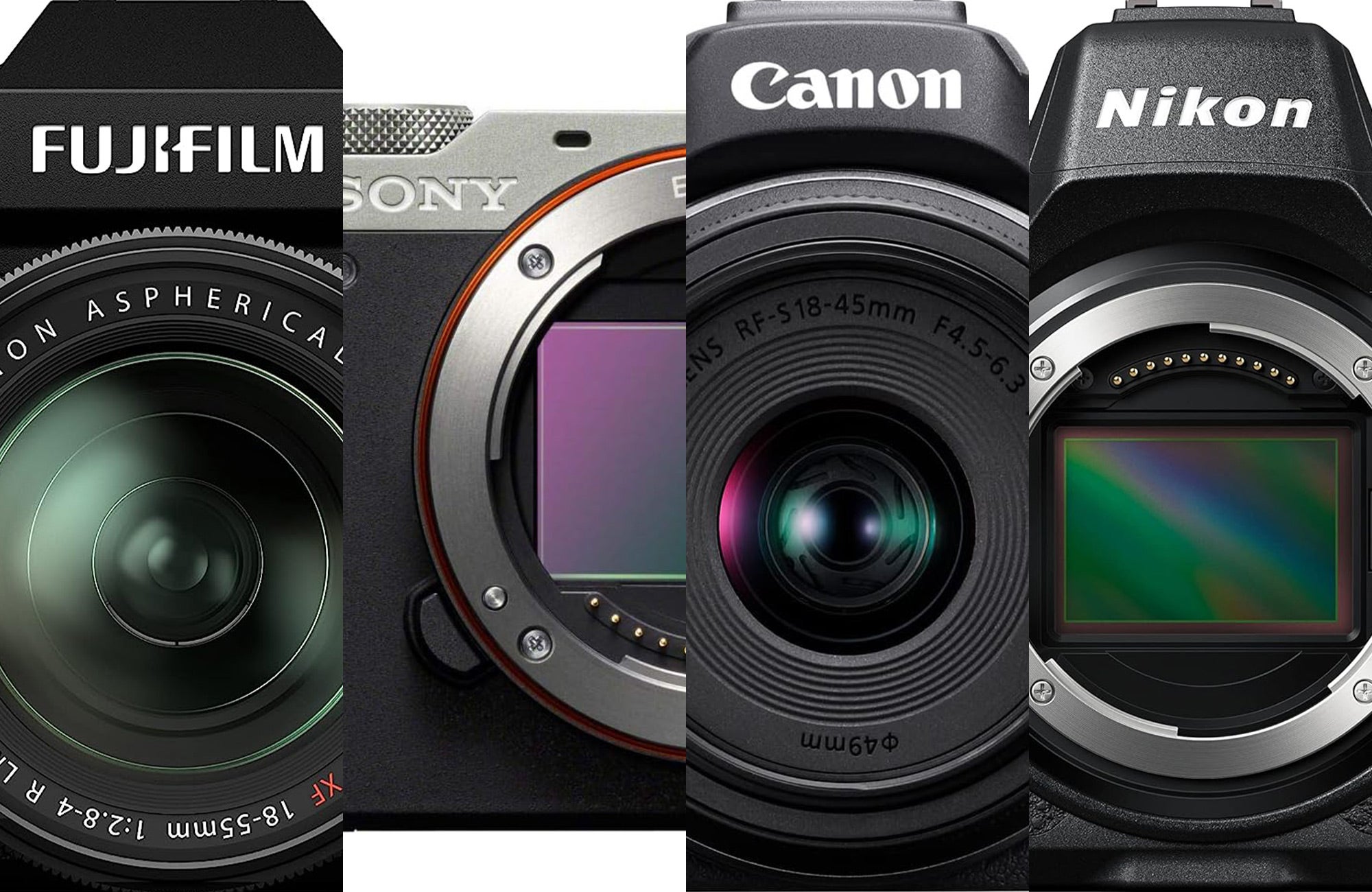
In the ever-evolving world of photography, selecting a DSLR (Digital Single-Lens Reflex) camera and a Mirrorless camera can be a key decision. Each type comes with its own set of strengths and weaknesses, and selecting the ideal camera depends on your personal requirements and preferences. In this guide, we'll examine the main differences between DSLR and Mirrorless cameras to help you make an well-informed decision.
The Basics: DSLR vs Mirrorless
At their core, both DSLR and Mirrorless cameras are built for capturing high-quality images with interchangeable lenses. However, the way they accomplish this aim is where the primary differences lie.
DSLR Cameras:
Optical Viewfinder: DSLRs boast an optical viewfinder that uses a mirror to transmit the scene through the lens to your eye. This provides a real-time, through-the-lens view of your subject.
Mirror Mechanism: The "reflex" in DSLR stands for the mirror mechanism that flips up when you take a photo, allowing light to hit the image sensor.
Size and Weight: DSLRs tend to be bulkier and heavier than Mirrorless cameras due to their mirror and optical viewfinder.
Mirrorless Cameras:
Electronic Viewfinder (EVF) or LCD Screen: Mirrorless cameras lack an optical viewfinder. Instead, they depend on an electronic viewfinder or an LCD screen that displays a digital view of the scene directly from the image sensor.
No Mirror Mechanism: As the name suggests, Mirrorless cameras lack the mirror mechanism found in DSLRs, making them smaller and lightweight.
Interchangeable Lenses: Like DSLRs, Mirrorless cameras permit you to interchange lenses to suit your photography needs.
Image Quality:
Both DSLRs and Mirrorless cameras can deliver outstanding image quality. Factors like sensor size, resolution, and the quality of the lenses you use have a larger impact on image quality than the camera type itself. Full-frame Mirrorless cameras have gained popularity for their excellent image quality, matching that of DSLRs.
Autofocus and Speed:
Mirrorless cameras have made considerable strides in autofocus technology. Many Mirrorless cameras now include fast and accurate on-sensor phase-detection autofocus, making them competitive with DSLRs in terms of speed and accuracy.
Size and Portability:
One of the key advantages of Mirrorless cameras is their compact and lightweight design. If you prioritize portability and want a camera that's simpler to carry around, a Mirrorless camera may be learn more the better choice.
Battery Life:
DSLRs typically have better battery life compared to Mirrorless cameras, thanks to the power-efficient optical viewfinder. However, some Mirrorless models offer good battery life as well, and battery performance differs between brands and models.
Video Capabilities:
Mirrorless cameras often shine in video recording thanks to their electronic viewfinders and on-sensor autofocus. Many Mirrorless cameras offer 4K video recording, making them preferred choices for videographers.
Lens Compatibility:
Both DSLRs and Mirrorless cameras have a wide range of compatible lenses, but Mirrorless systems may require adapters for using DSLR lenses, whereas DSLRs can often use Mirrorless lenses with restrictions.
Final Thoughts:
Choosing between a DSLR click here and a Mirrorless camera eventually comes down to your specific needs and goals. Think about factors like size, weight, image quality, autofocus capabilities, and the type of photography you view more plan to pursue. Make sure to test different models, read reviews, and seek advice from experienced photographers. Whether you opt for a DSLR or a Mirrorless camera, both can deliver exceptional results in the right hands. Happy shooting!